-
Pussy Must Be Tagged; The S.P.C.A. Now Collects Dog Licenses
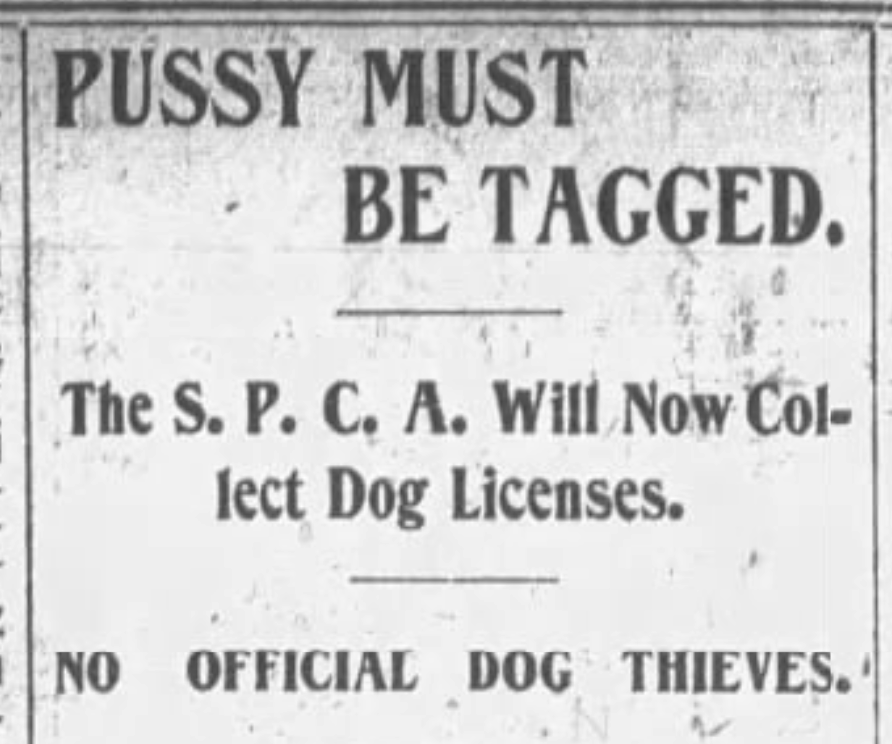
In 1895 as part of the transition to a public-private partnership to take on animal control, the ASPCA began enforcing the new dog licensing laws in New York City. Understanding why it happened is crucial to understanding why we still do it.
-
A Shelter for Animals

In 1895, the ASPCA had taken over animal control for the city of New York. This cemented a path for a more humane model of public – private partnership. Tour their shelter via a New York Times article.
-
Mad Stones

An odd folk cure; the stone from the stomach of a cud chewing animal is applied to the bite of a rabid animal in order to cure hydrophobia. The history of mad stones is just as interesting as the practice itself.
-
“Madness of Dog Days” or Newspaper Hydrophobia
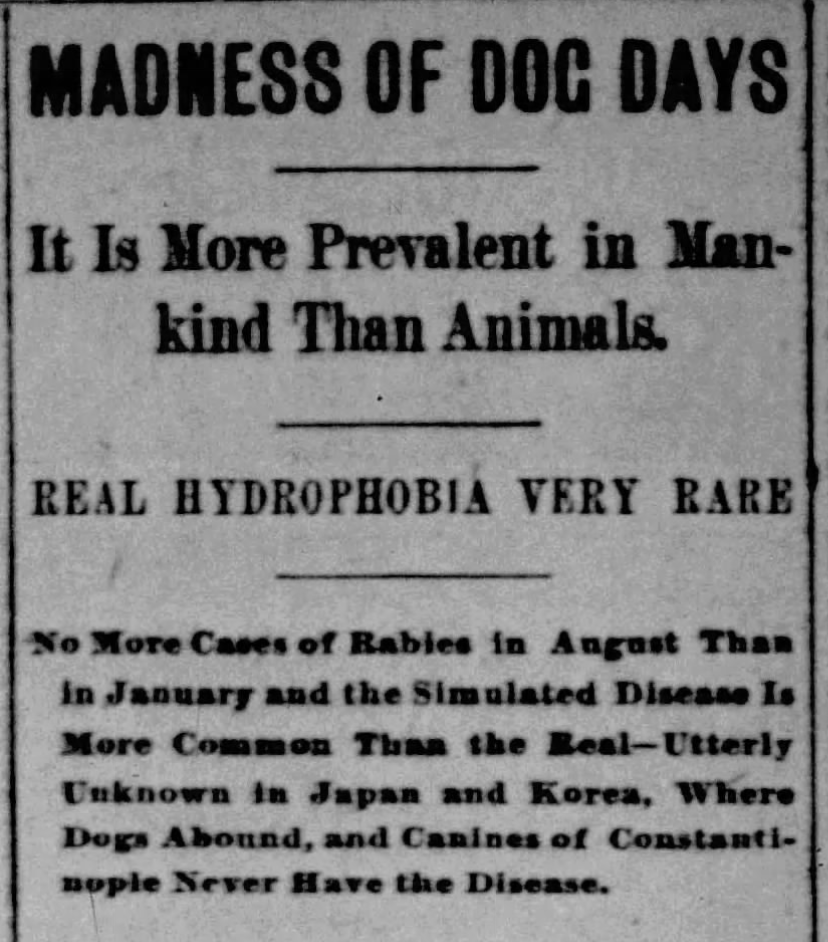
“Dog Days” is a term that refers to the period of time in the summer between July and August when it was assumed that rabies was most prevalent in dogs (and in cities.) While it might not be surprising to see an article debating this fact published by the APSCA, you WILL be surprised to…
-
How One Potentially Rabid Cow Story Went Viral in 1865, Pun Definitely Intended.
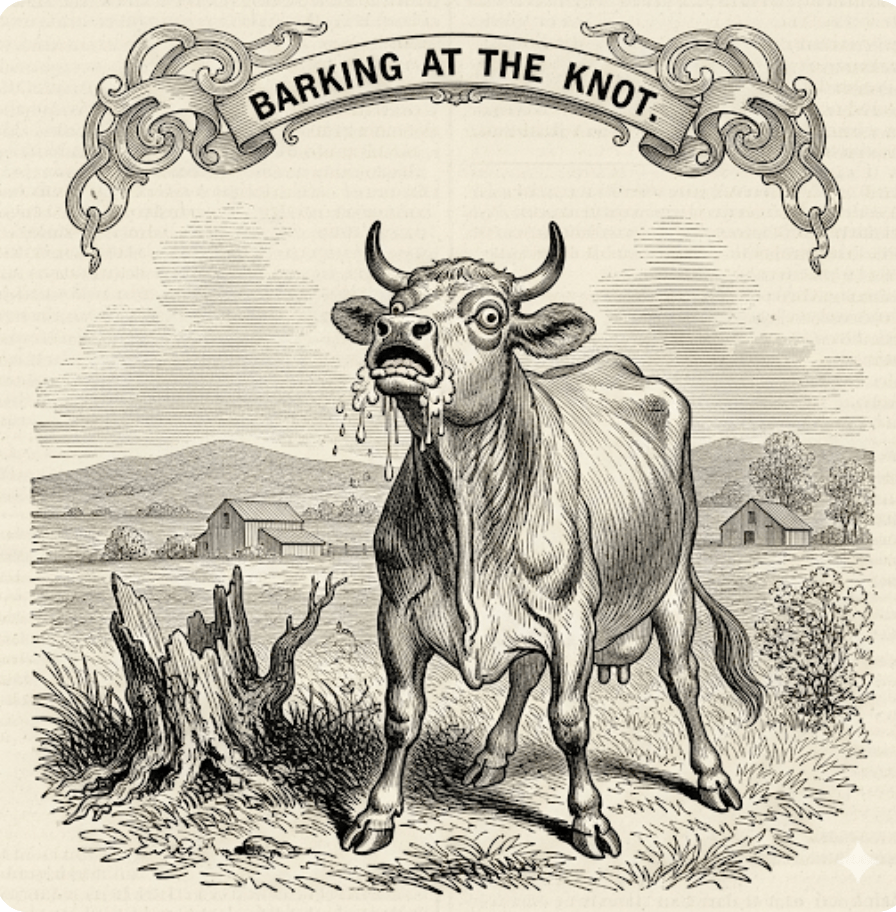
A cow bitten by a dog seven years ago causes six children to die after drinking her milk. Was she rabid? Find out why this story went viral in 1865.
-
Early No Kill

Early no kill language first showed up in the media in the 1970s. How its use evolved is important to our perception of the no kill movement today.
-
Statistics Related to the Cruelty Practiced Upon Animals or Happy Birthday Henry Bergh
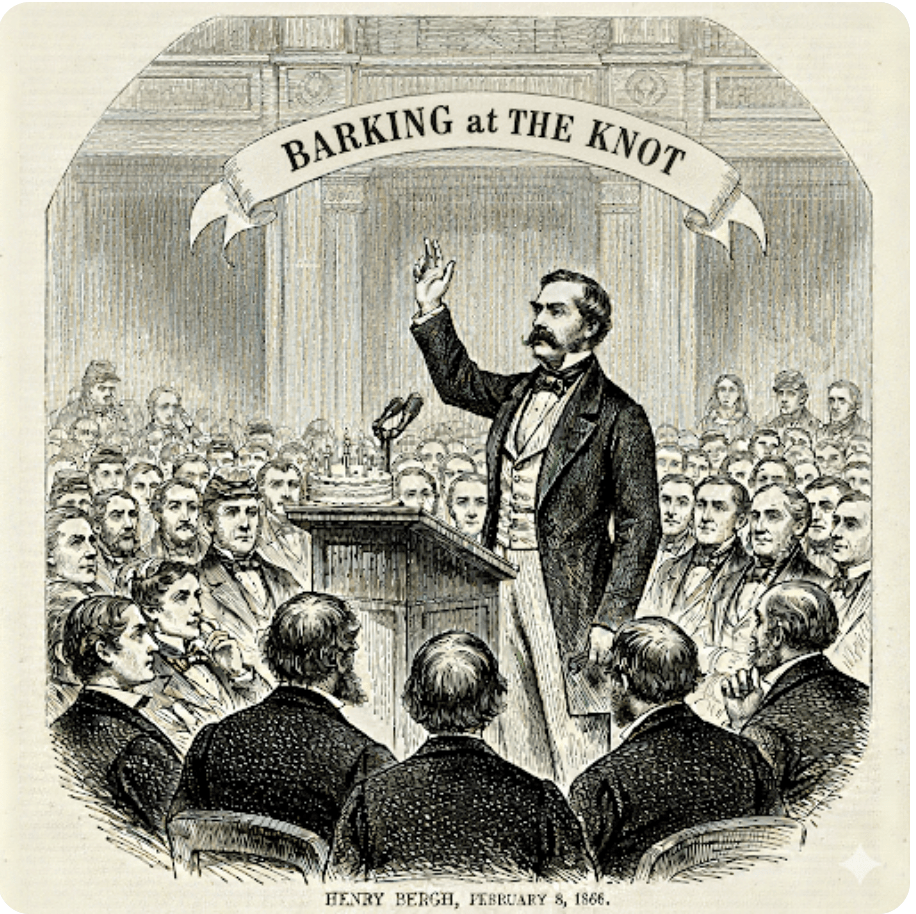
On a stormy night in 1865, Henry Bergh gave a speech in Clinton Hall in New York City that set the stage for the formation of the ASPCA. Find out what he talked about.
-
Rebuilding the Union and the Story of Turtle Soup
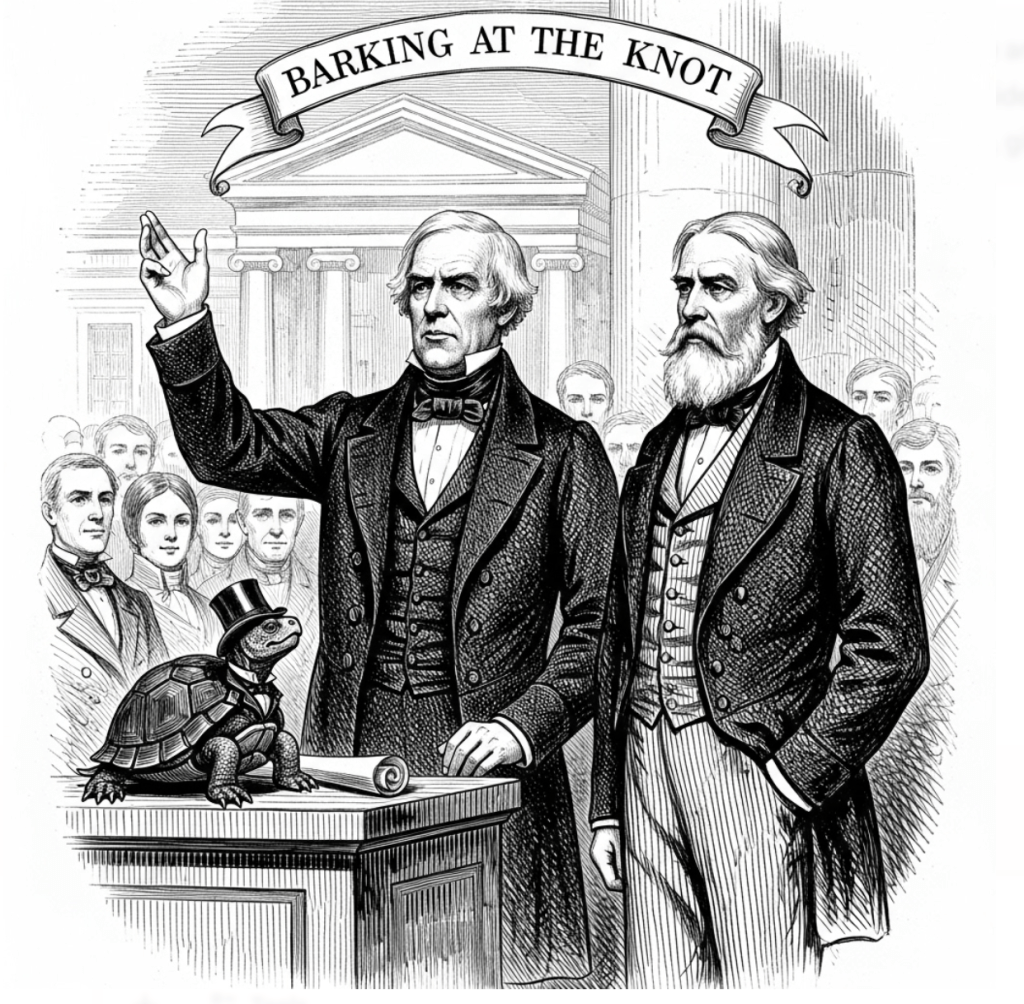
In post-civil war America, tensions were high and the media was hyper-focused on rebuilding the union. Henry Bergh knew that to get his anti-cruelty law noticed, he’d need to resort to extreme measures. So he resorted to turtles.
-
Doing the Right Thing Before Summer Vacation
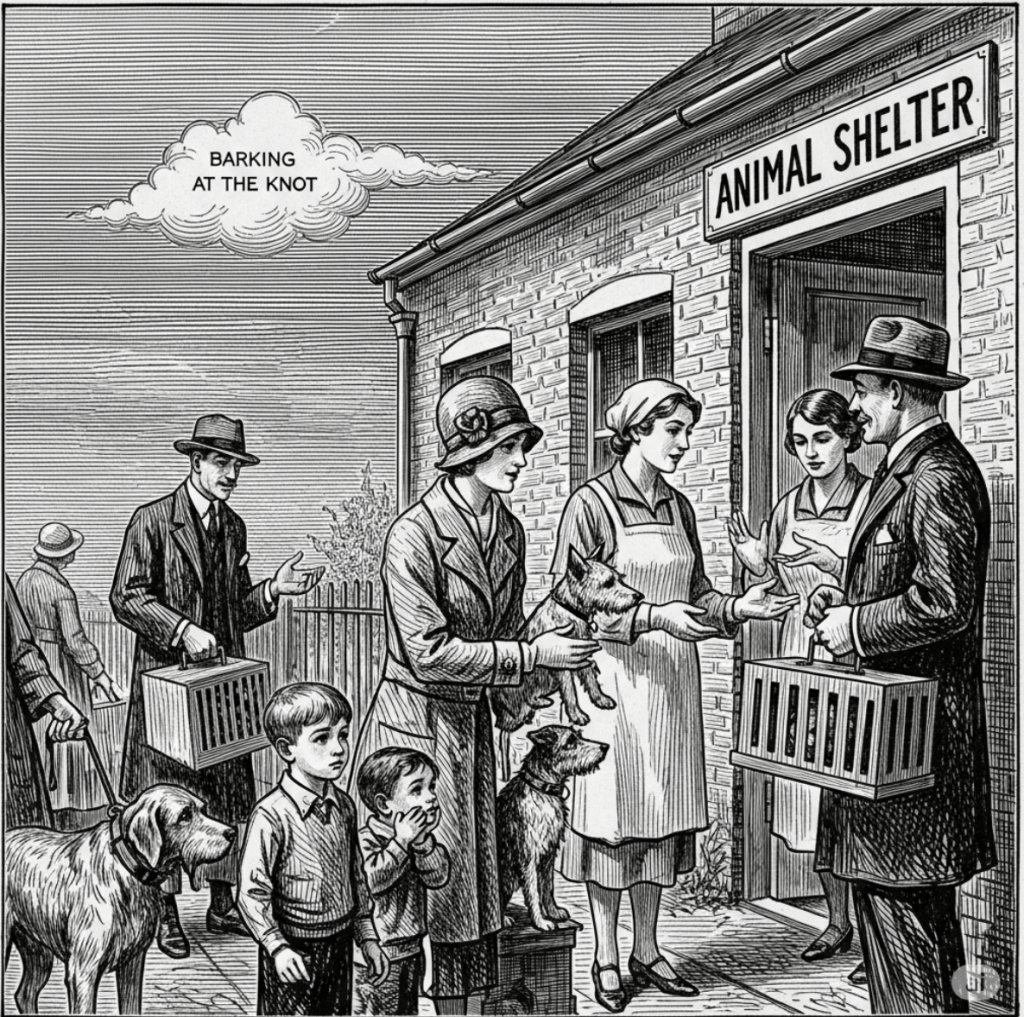
The 1920s and 1930s shifted the way animals entered shelters. Instead of it just being all strays that were picked up, now owner surrenders were on the rise. Learn about why.
-
An Unfortunate Series of Events (or Why We Impound Every Stray)
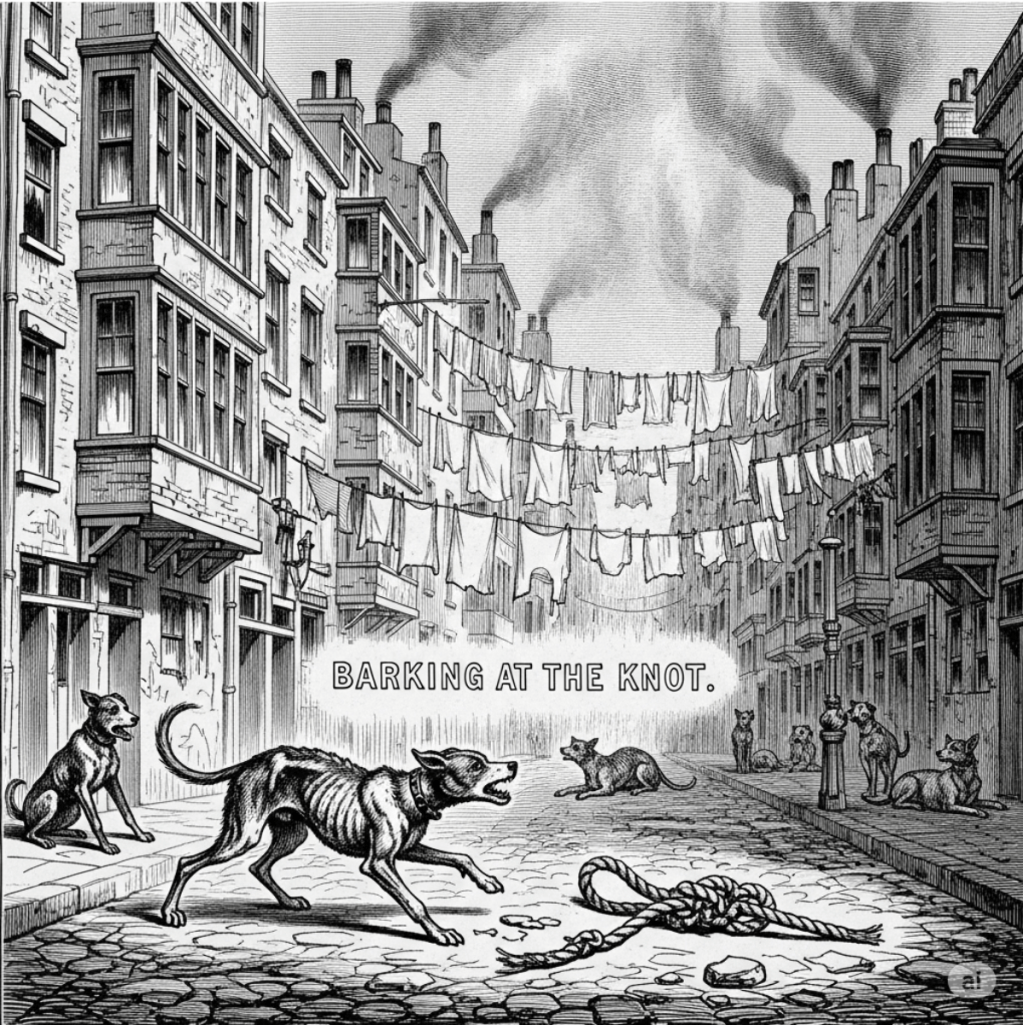
Before a treatment for rabies, all stray dogs were widely regarded to be dangerous. Learn how the industrial revolution and tenement housing influenced how we chose to impound dogs, and how that effects us today.
Barking at the Knot
Understanding the hidden history of animal services
 Barking at the Knot