Animals are living, breathing beings. How we treat them, perceive them, manage them, love them, select them, own them, and care for them are things that are now and have always been up to interpretation. Pets are complicated and decidedly not human; they do things that require interpretation and management, particularly when we are sharing spaces. Pet care (and pet acquisition) are not always intuitive things; it is natural that a layperson would turn to experts for guidance.
Within animal services, our complicated history of killing pets unfortunately doesn’t lend us to be perceived by society as the go to experts in appropriate pet care or even how to get a pet. I myself am hopeful this is changing as we ourselves evolve as an industry to position more as resource centers and less as intake centers. Still, new owners often look to other sources for that guidance. There are overt examples of this, like seeking advice from veterinarians, books or, today, influencers and google, but there are also many covert examples of “expertise” that have influenced standards of care and pet acquistion and have hidden throughout history. Some of these have had significant impacts on our field. One place this can be found is in advertising.
There’s a long history of positioning as “experts” to sell products in the pet space (and in the human space, but that is another story.) Products for sale in the early days of advertising would often come with a pamphlet or brochure indicating both how to use the item itself and helpful advice for the pet owner.
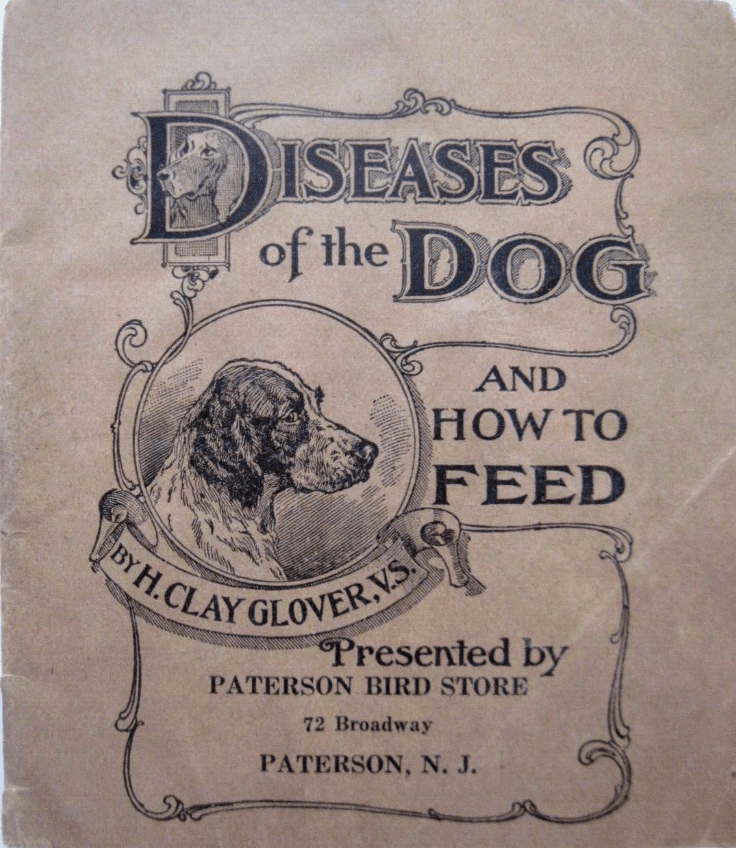
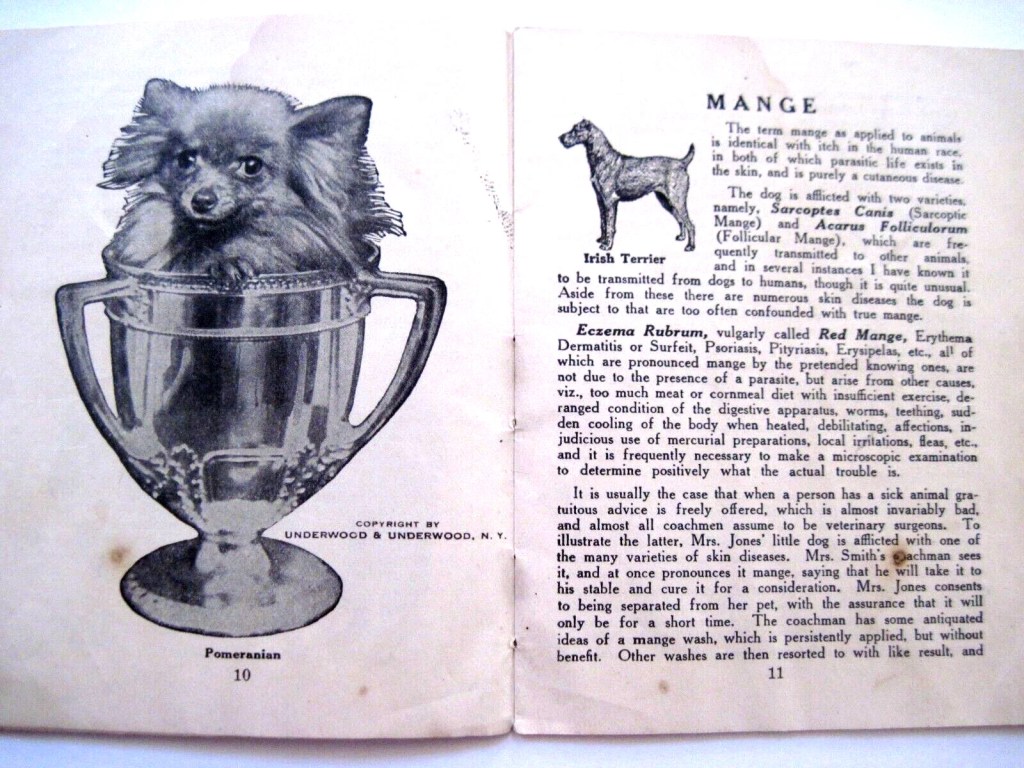
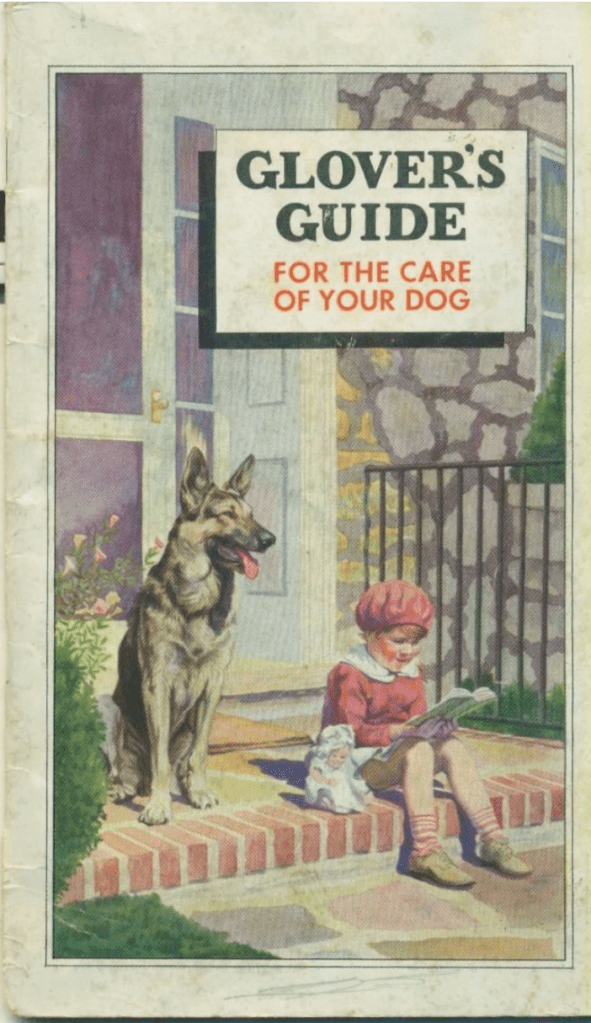
A notable and popular example of this can be found in Glover’s products that were sold beginning in the early 1900s. They advertised pills and tonics to cure all manner of diseases in pets – everything from worms to distemper. Glovers released “helpful” booklets which were often given away for free and contained treatments that heavily included their products along with other advice. These booklets are readily available on Ebay, and I have a few of them. These products were generally ineffective and sometimes even harmful, but they didn’t influence the animal services industry much; they were positioned toward private owners and kept primarily to disease management.
Here are a few examples from 1924 and 1934 respectively:
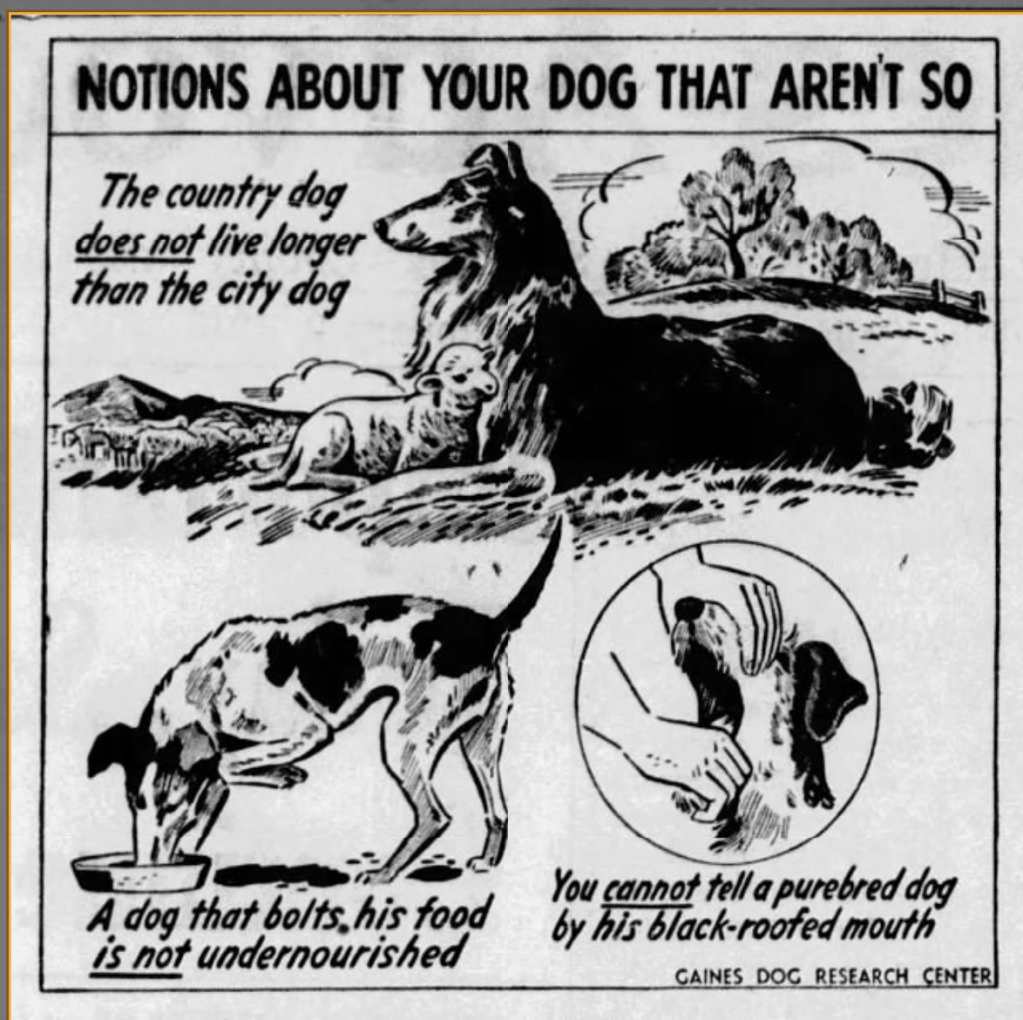
Later, though, one seller in particular started to use their influence to not only sell their product but also promote purebred dogs over mixed breed dogs. The Gaines Dog Research Center was founded in 1944 in New York City; They listed their mission as to “improve the well-being of dogs through scientific research, public education, and the promotion of responsible ownership.”
In reality, though, it’s purpose was to use this influence the public to sell their dog food. The Gaines Dog Research Center was simply a division of Gaines Food Company, later to be acquired by General Foods. They positioned themselves as experts by taking out large lots of advertising space in popular periodicals and running “educational” cartoons and articles. They also gave away booklets and creating short films, and later, made “educational: commercials. Here are a few examples of the cartoons:
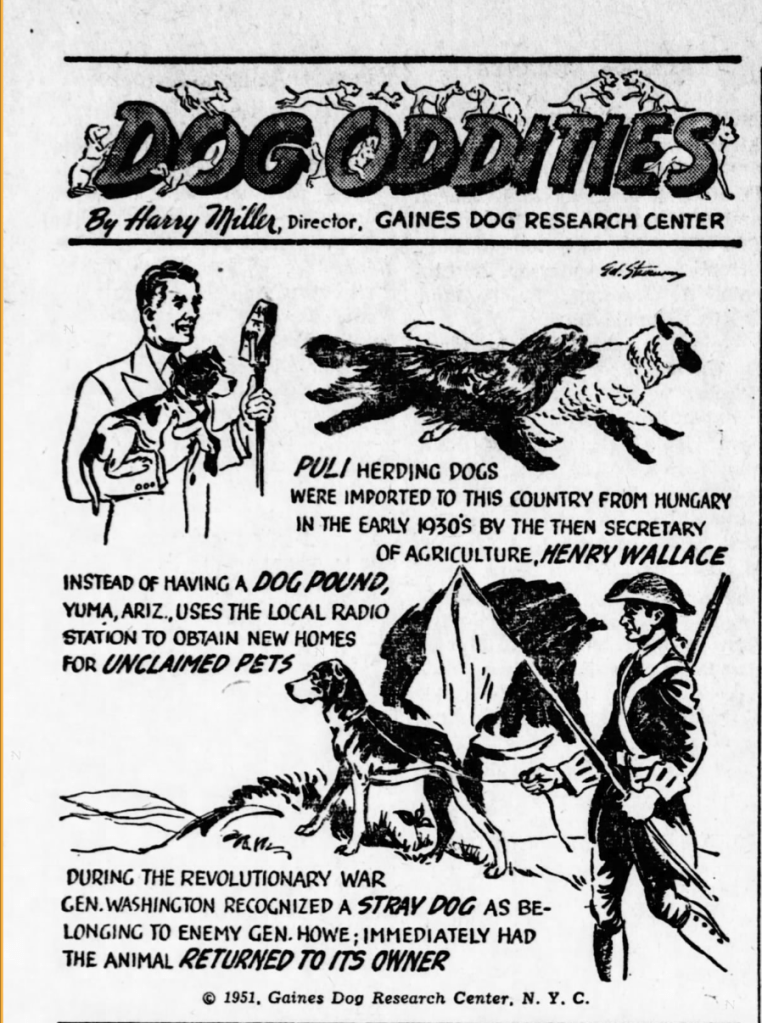
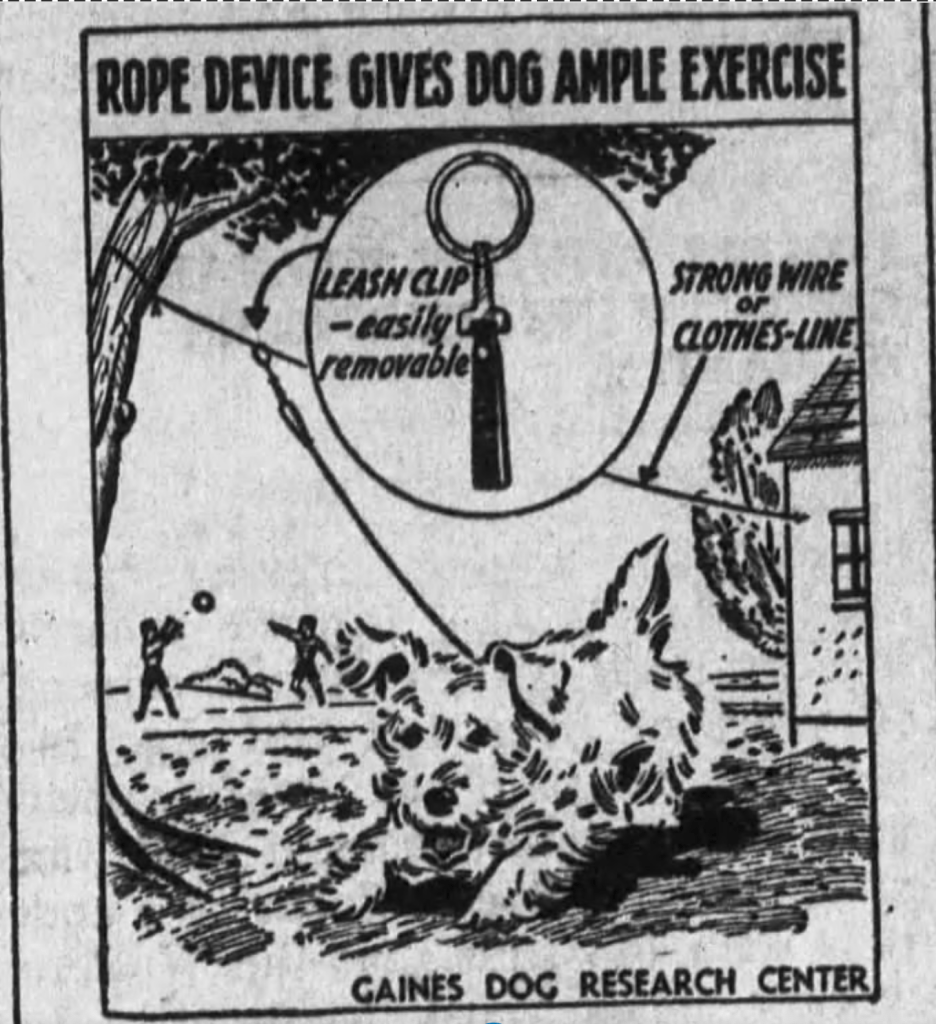
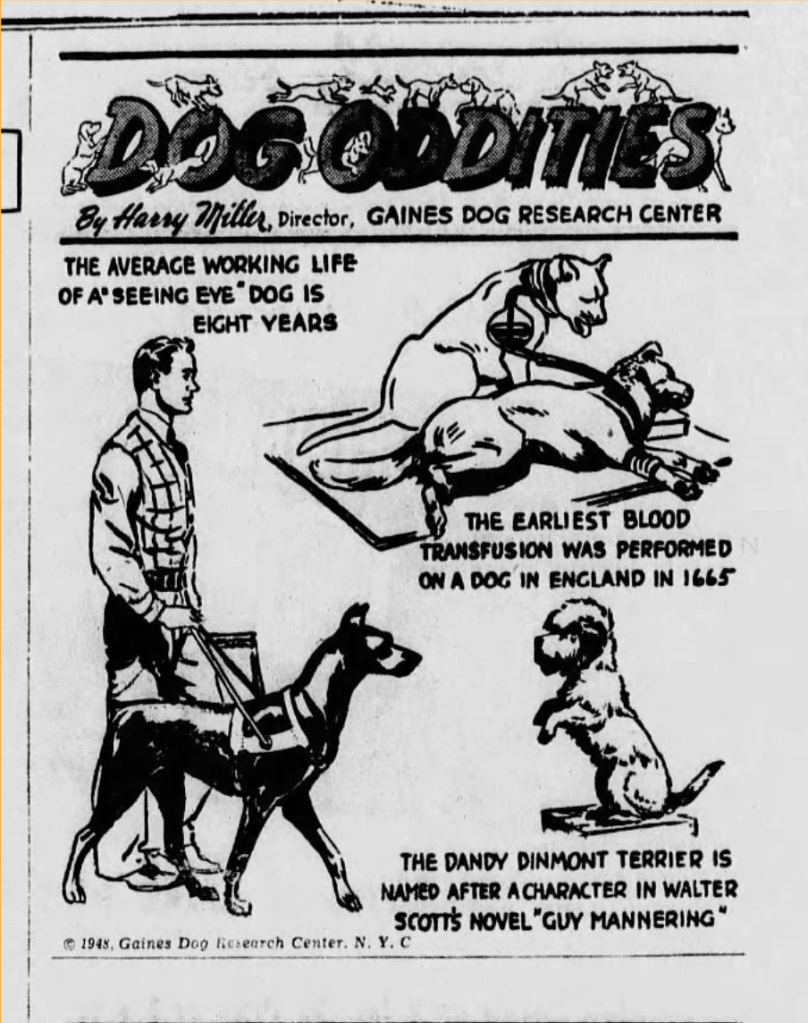
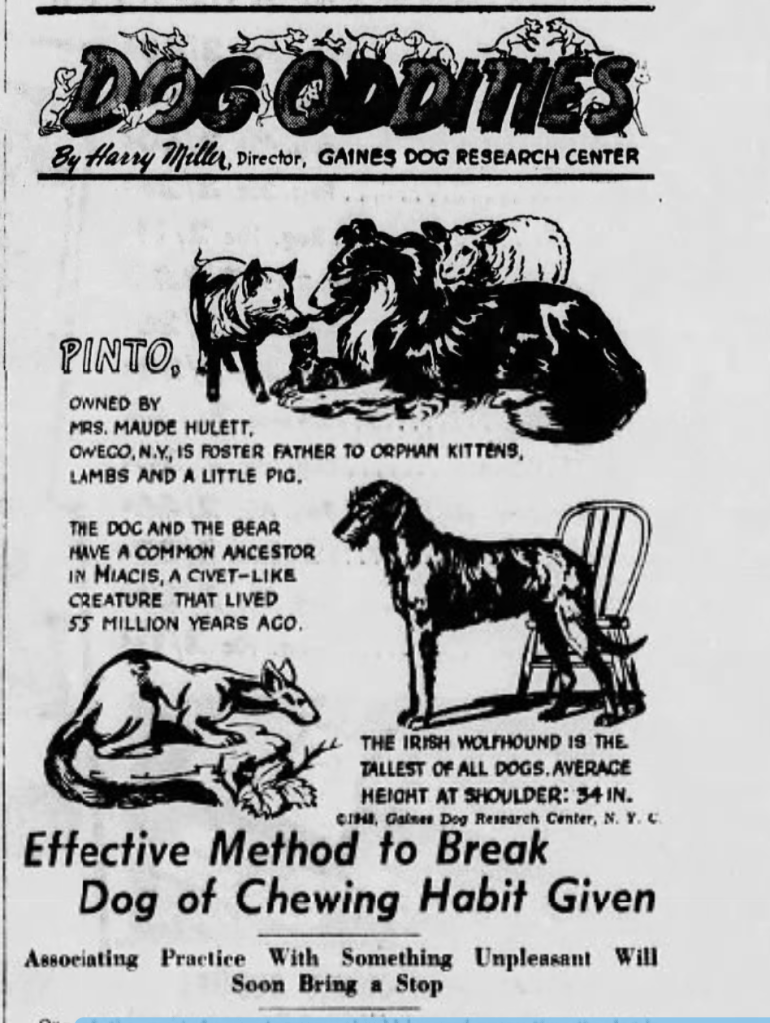
These cartoons were often accompanied by articles that were indistinguishable from the actual newsworthy content of the paper and promoted advice about pet care and dog ownership, ranging in topics from how to bathe your dog, how to exercise your dog, and, of course, what to feed your dog.
They also included content around how to select a dog that heavily emphasized that mixed breed…anything? was much less valuable than purebred. This piece was published in 1944 and ran in papers across the country; the timing makes it that much more awful.
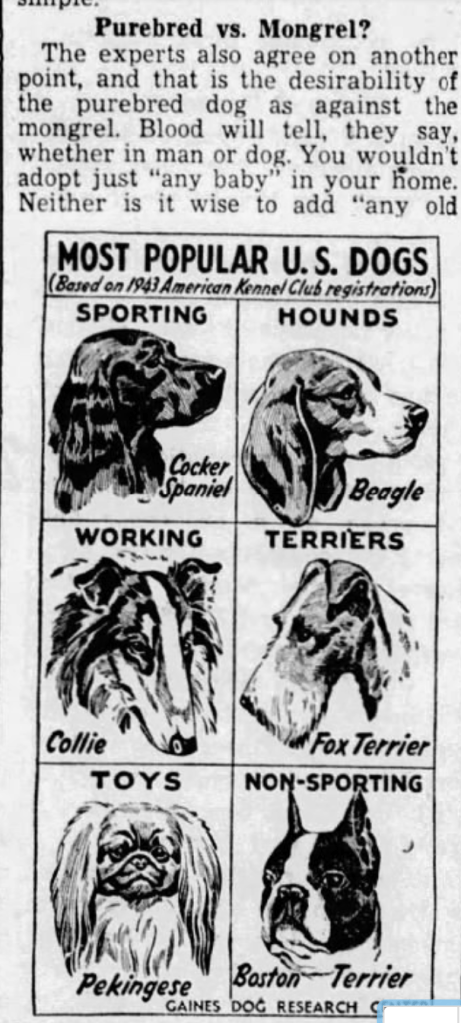
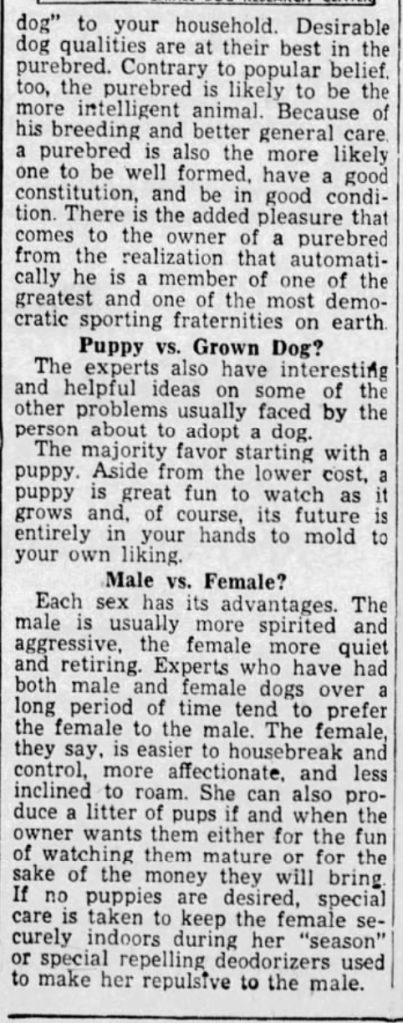
A closer look reveals that The Gaines Dog Research Center shared strong ties with the American Kennel Club. It’s Director, Henry Miller, was both a prominent judge for the AKC and the director of the center itself. The relationship was in many ways reciprocal; the center provided the AKC with recommendations around the acquisition of purebred dogs positioned as “expertise in pet ownership” through it’s many advertising channels and the AKC drove customers to buy Gaines products.
The influence of the Gaines Dog Research Center surely and intentionally drove many families to acquire pets by purchasing instead of adopting. These biases showed up also in the promotion of specific breeds of dogs in ways that were meant to look like articles but were, in fact, advertisements.
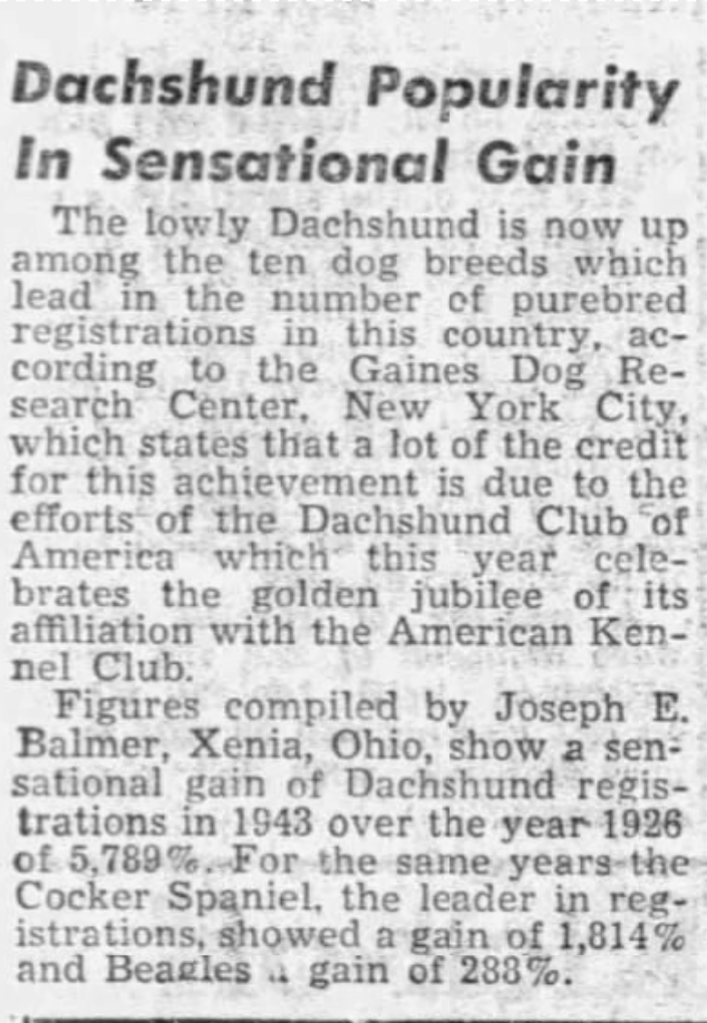
As time went on, the two became more and more ingrained with each other. The development of the Fido awards, considered today to be the “Oscars” of the dog world, by the Gaines Center, pretty much solely encompassed AKC members as judges. The Gaines products featured only stunning images of specific breeds. And the AKC promoted Gaines products steadily at their events. For the consumer, all of this was subtle, but when it came time to select the family pet, this type of advertising ensured the shelter was not the first choice.
The Gaines brand itself and it’s “associated initiatives” were retired in the 1990s, but for shelter pets, who were the influence had been made, and the damage done. George Orwell famously said “All animals are equal, but some animals are more equal than others.” Never did it apply more than here.
The examples of their influence are many and plenty, and if you choose to dig, you will find much more. The Gaines Pet Research Center is a good reminder that “expertise” isn’t always what it seems, and indeed, it can be unwise to take expertise at face value; look at what it did for our mixed breed friends.
And with that, friends, I’ll leave you for this week.
-Audrey
 Barking at the Knot